Research

Relatyv High-Frequency Electrical Stimulation Attenuates

High-Frequency Electrical Stimulation Attenuates Neuronal Release of Inflammatory Mediators and Ameliorates Neuropathic Pain

High-Frequency Electrical Stimulation Attenuates Neuronal Release of Inflammatory Mediators and Ameliorates Neuropathic Pain 1672 940 Relatyv

How High-Frequency Electrical Stimulation May Reduce Inflammation and Nerve Pain

One of the most exciting developments in pain science isn’t simply that electrical stimulation can reduce pain—it’s that researchers are beginning to understand why it works.

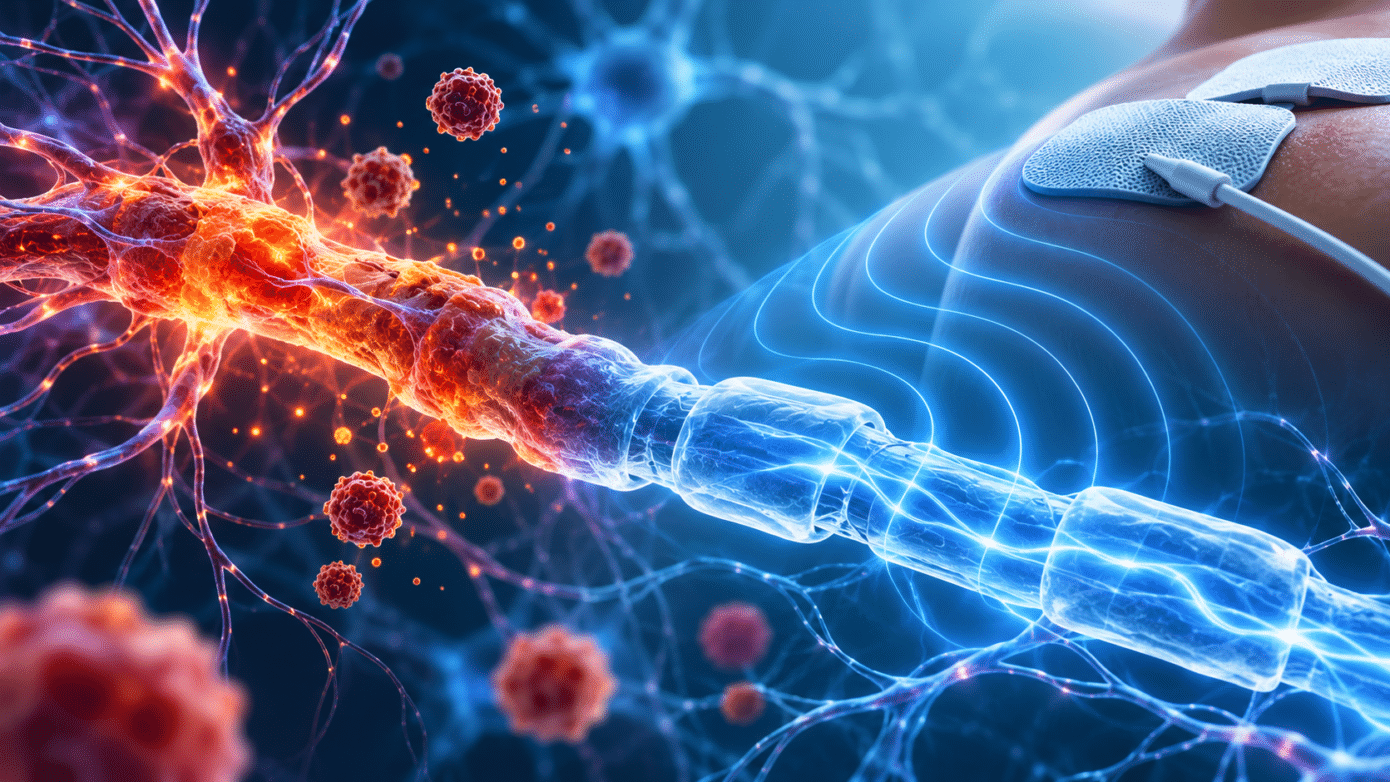
A 2022 laboratory study explored the biological mechanisms behind high-frequency electrical stimulation and discovered important changes in how the nervous system responds to injury.

Understanding Neuropathic Pain

Neuropathic pain occurs when nerves themselves become damaged or overly sensitive.

Instead of responding normally, affected nerves continue sending pain signals even after tissues have healed.

This persistent nerve activity can contribute to:

  • Burning pain
  • Tingling
  • Shooting sensations
  • Increased sensitivity
  • Ongoing inflammation

What Researchers Discovered

The study found that high-frequency electrical stimulation appeared to reduce the release of inflammatory molecules involved in chronic pain.

Researchers also observed changes that helped calm overactive nerve activity.

These findings suggest electrical stimulation may work by influencing the underlying biology of chronic pain—not simply distracting the brain from pain signals.

Why Inflammation Matters

Inflammation plays an important role in many chronic pain conditions.

When inflammatory chemicals remain elevated, nerves can become increasingly sensitive, creating a cycle of ongoing pain.

Reducing these inflammatory signals may help interrupt that cycle.

Why This Research Is Important

Understanding how therapies work helps clinicians develop more targeted treatment strategies.

As scientists continue studying electrical stimulation, evidence increasingly supports its role within comprehensive, non-opioid pain management.

How Relatyv Applies This Science

Relatyv’s neurofunctional pain management approach is built around helping patients improve function while addressing the nervous system’s role in chronic pain.

Treatment plans are individualized based on each patient’s symptoms, history, and clinical evaluation.

Read the Research

High-Frequency Electrical Stimulation Attenuates Neuronal Release of Inflammatory Mediators and Ameliorates Neuropathic Pain (2022)
https://pmc.ncbi.nlm.nih.gov/articles/PMC9533511/

Relatyv Can Electroanalgesia Help Reduce the Need for Opioids

Use of Electroanalgesia and Laser Therapies as Alternatives to Opioids for Acute and Chronic Pain Management

Use of Electroanalgesia and Laser Therapies as Alternatives to Opioids for Acute and Chronic Pain Management 1536 1024 Relatyv

Can Electroanalgesia Help Reduce the Need for Opioids?

As healthcare providers search for safer approaches to pain management, electrical stimulation therapies have become an increasingly researched option.

A clinical commentary published in Current Pain and Headache Reports reviewed decades of research examining electroanalgesia as an alternative or complement to opioid medications.

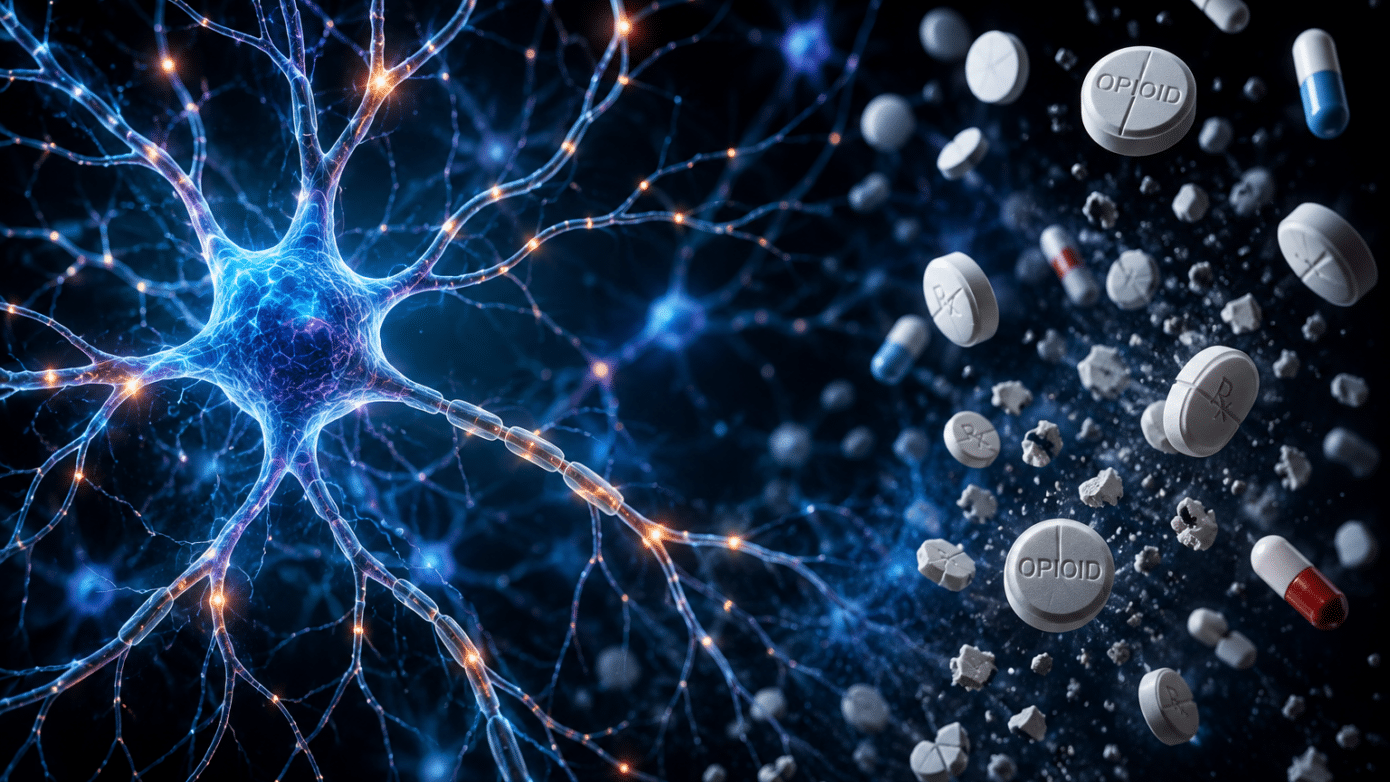
Why Researchers Are Looking Beyond Opioids

While opioids can provide short-term pain relief, long-term use carries significant risks, including:

  • Dependence
  • Tolerance
  • Side effects
  • Reduced effectiveness over time

Researchers continue exploring treatments that address pain without these challenges.

Conditions Reviewed

The commentary evaluated evidence for electroanalgesia across numerous pain conditions, including:

  • Chronic low back pain
  • Peripheral neuropathy
  • Fibromyalgia
  • Osteoarthritis
  • Migraine headaches
  • Acute pain
  • Chronic musculoskeletal pain

What the Evidence Shows

Researchers found growing evidence that electroanalgesia may:

Reduce Pain

Many patients experienced measurable improvements in pain severity.

Improve Daily Function

Pain relief often translated into better mobility and increased participation in everyday activities.

Complement Existing Treatment Plans

Rather than replacing every therapy, electroanalgesia may work alongside physical rehabilitation, lifestyle interventions, and other evidence-based care.

A More Comprehensive Approach

Modern pain management increasingly recognizes that chronic pain is rarely caused by a single problem. Successful treatment often requires addressing:

  • Nervous system function
  • Muscle function
  • Movement patterns
  • Inflammation
  • Overall health

Electrical stimulation may be one valuable tool within that larger strategy.

Relatyv’s Evidence-Based Philosophy

Relatyv’s neurofunctional pain management approach reflects this growing understanding that lasting pain relief often requires addressing the nervous system—not simply masking symptoms.

Every treatment plan is tailored to the individual’s condition, goals, and clinical evaluation.

Read the Research

Use of Electroanalgesia and Laser Therapies as Alternatives to Opioids for Acute and Chronic Pain Management

https://pmc.ncbi.nlm.nih.gov/articles/PMC5749131/


A review of 56 peer-reviewed studies found growing evidence that electroanalgesia may safely reduce chronic pain and improve function without relying solely on medication.

Electroanalgesia for Chronic Pain: What a Review of 56 Studies Reveals

Electroanalgesia for Chronic Pain: What a Review of 56 Studies Reveals 1536 1024 Relatyv

Electroanalgesia for Chronic Pain: What a Review of 56 Studies Reveals

For millions of people living with chronic pain, finding effective treatment often feels like an endless cycle of medications, injections, or procedures that provide only temporary relief. Researchers continue to explore alternatives that address pain differently, and one area receiving increasing attention is electroanalgesia.

A comprehensive 2024 literature review examined 56 peer-reviewed studies investigating electroanalgesia for chronic neuropathic pain. The findings add to a growing body of evidence suggesting electrical stimulation therapies can play an important role in modern pain management.

What Is Electroanalgesia?

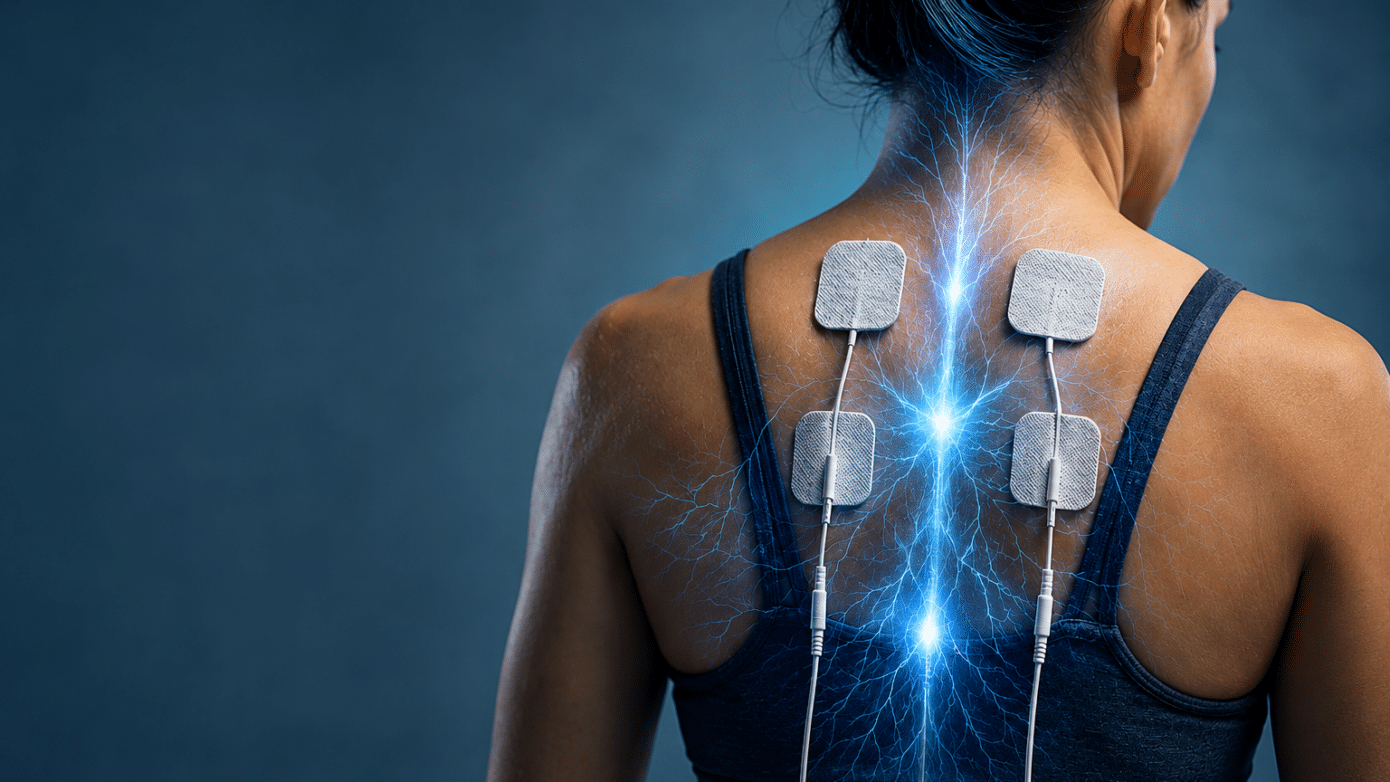
Electroanalgesia uses carefully controlled electrical stimulation to influence how nerves communicate pain signals. Rather than masking pain with medication, these therapies aim to change how the nervous system processes pain.

Different forms of electrical stimulation have been studied for conditions including:

  • Peripheral neuropathy
  • Chronic back pain
  • Arthritis
  • Fibromyalgia
  • Post-surgical pain
  • Other chronic pain disorders

What Did the Research Find?

After reviewing dozens of clinical studies, researchers found several consistent trends.

Pain Reduction

Many studies reported meaningful decreases in pain intensity after treatment with electroanalgesia.

Improved Physical Function

Participants frequently experienced improvements in mobility and day-to-day activities, allowing many to become more active.

Strong Safety Profile

Across the research reviewed, electroanalgesia demonstrated a favorable safety profile with relatively few serious adverse effects compared with many long-term pain medications.

Potential to Reduce Medication Dependence

While not a replacement for every treatment, researchers noted electroanalgesia may help some patients reduce their reliance on pain medications when incorporated into a comprehensive care plan.

Why This Matters

Chronic pain is complex. It often involves changes within the nervous system that continue long after an injury has healed.

Research continues to suggest that therapies targeting the nervous system directly may offer meaningful improvements for many patients living with persistent pain.

How This Relates to Relatyv

At Relatyv, neurofunctional pain management focuses on understanding how the nervous system contributes to chronic pain and using evidence-informed therapies designed to improve function while reducing pain.

Every patient receives an individualized evaluation because no single treatment works for everyone.

Read the Research

Unraveling the Potential of Electroanalgesia: A Literature Review of Current Therapeutics (2024)

https://pmc.ncbi.nlm.nih.gov/articles/PMC11198869/

Back to top
Privacy Preferences

When you visit our website, it may store information through your browser from specific services, usually in the form of cookies. Here you can change your Privacy preferences. It is worth noting that blocking some types of cookies may impact your experience on our website and the services we are able to offer.

Click to enable/disable Google Analytics tracking code.
Click to enable/disable Google Fonts.
Click to enable/disable Google Maps.
Click to enable/disable video embeds.
Our website uses cookies, mainly from 3rd party services. Define your Privacy Preferences and/or agree to our use of cookies.