

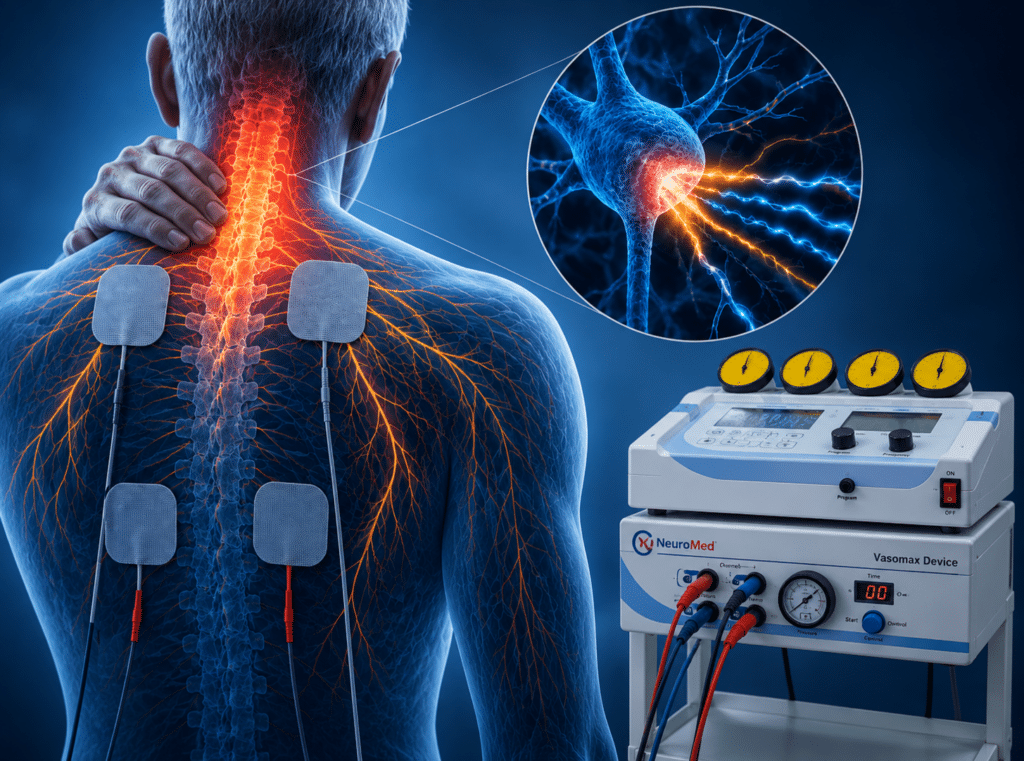
Electrical stimulation has been used in physical therapy for decades, but not all forms of stimulation work the same way. One technique that continues to gain attention in clinical research is Interferential Current (IFC) Therapy—a non-invasive treatment designed to reduce pain by delivering medium-frequency electrical currents that reach deeper tissues while remaining comfortable for patients.
A comprehensive review published in Medicina examined the scientific evidence behind IFC therapy and found encouraging results across multiple musculoskeletal pain conditions.
What Is Interferential Current Therapy?
Interferential Current Therapy uses two medium-frequency electrical currents that intersect beneath the skin. This creates a low-frequency therapeutic effect capable of stimulating deeper tissues with less skin discomfort than many traditional electrical stimulation methods.
Researchers believe this approach may help:
- Reduce pain perception
- Improve comfort during movement
- Decrease muscle guarding
- Support rehabilitation and functional recovery
Unlike medications, IFC therapy is non-invasive and does not rely on opioids or injections.
What Did the Research Find?
The review evaluated systematic reviews and randomized clinical trials involving patients with a variety of painful conditions.
Across the literature, researchers found significant analgesic (pain-relieving) effects for patients experiencing:
- Neck pain
- Chronic low back pain
- Knee osteoarthritis
- Post-operative knee pain
The authors concluded that IFC consistently reduced pain across these conditions, making it a valuable option within a comprehensive pain management program.
Comfortable Treatment with Flexible Settings
One interesting finding from the review was that many of the device settings did not significantly change pain outcomes. This suggests that clinicians can often adjust treatment parameters for patient comfort without sacrificing effectiveness.
Most successful clinical studies used treatments lasting 20–40 minutes at a strong but comfortable intensity.
Supporting Evidence Continues to Grow
Research published after the review has continued to reinforce IFC’s potential. A 2022 systematic review and meta-analysis of randomized controlled trials found that IFC therapy improved both short- and long-term pain in people with knee osteoarthritis while also improving short-term physical function. Importantly, the included studies reported no significant adverse effects.
A Non-Invasive Option Worth Considering
No single treatment works for every person living with chronic pain. However, growing evidence suggests that Interferential Current Therapy can provide meaningful pain relief for many musculoskeletal conditions without medication or surgery.
As healthcare continues moving toward evidence-based, non-invasive approaches, therapies like IFC offer clinicians another tool to help patients reduce pain, improve mobility, and regain function.
The Bottom Line
The scientific evidence supports Interferential Current Therapy as an effective, non-invasive option for managing several common pain conditions, including neck pain, low back pain, knee osteoarthritis, and post-operative knee pain. While additional research will continue to refine treatment protocols, current findings suggest IFC can play an important role in modern pain management.
Source: Analgesic Effects of Interferential Current Therapy: A Narrative Review (NIH PubMed Central)